Old Money Style for Men: A Practical Guide
How to dress in the old money style without it looking like a costume: the core pieces, three outfits, and what to avoid.

"Old money style" gets used for everything from cable-knit sweaters to entire Pinterest boards of sailing photos. Underneath the hashtag there is a simple idea: clothes that look like they have been worn for years, chosen for material and fit rather than logos. It is less a costume than a set of habits. Here is how to put it together without it looking like a costume.
What old money style actually is
The look comes from people who did not need their clothes to say anything. So the clothes are quiet. Colours are muted: navy, cream, camel, forest green, grey. Fabrics are natural and a little heavier than average: wool, cashmere, cotton, linen, suede. Logos are small or absent. Fit is relaxed but neat, never tight and never oversized for the sake of it.
The other half is age. Old money clothes look good after the tenth wear, not just the first. That is why the style leans on materials that soften and patina, such as brushed wool, garment-washed cotton and leather.
The core pieces
1. A good overshirt or unstructured jacket
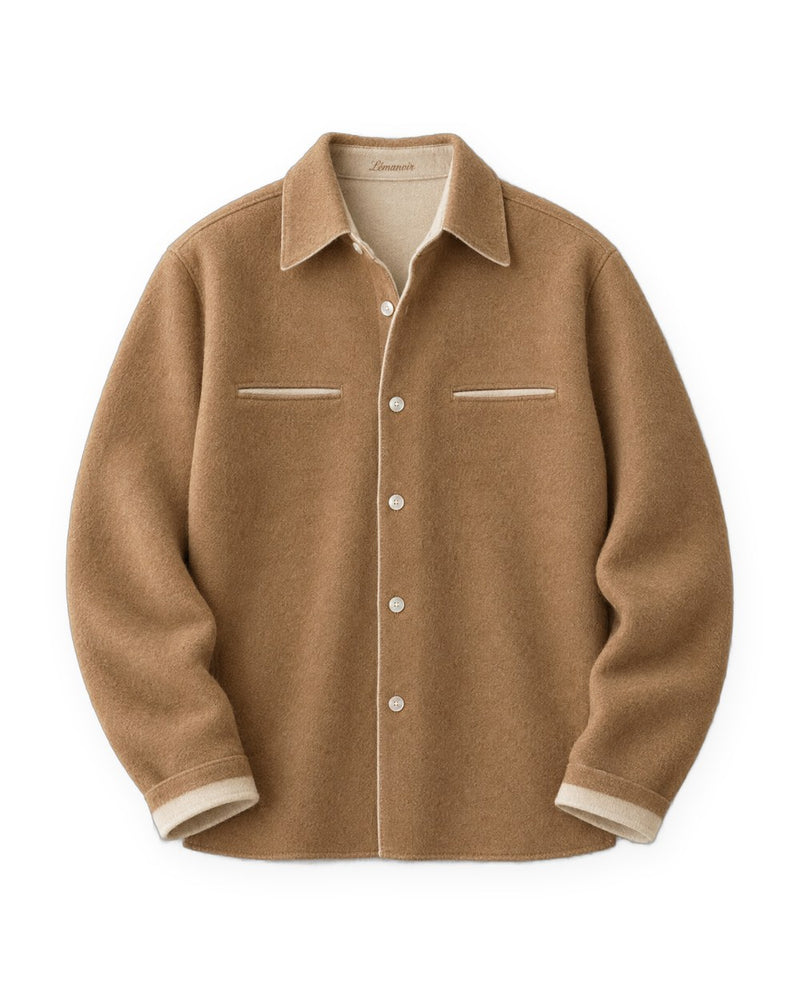
This is the piece that does the most work. An overshirt sits between a shirt and a jacket, so it goes over a tee on a mild day and over a knit when it is cold. Look for wool, cashmere or suede, a clean collar and patch pockets. Our camel cashmere overshirt and micro-houndstooth wool overshirt are built for exactly this.
2. Knitwear in plain colours
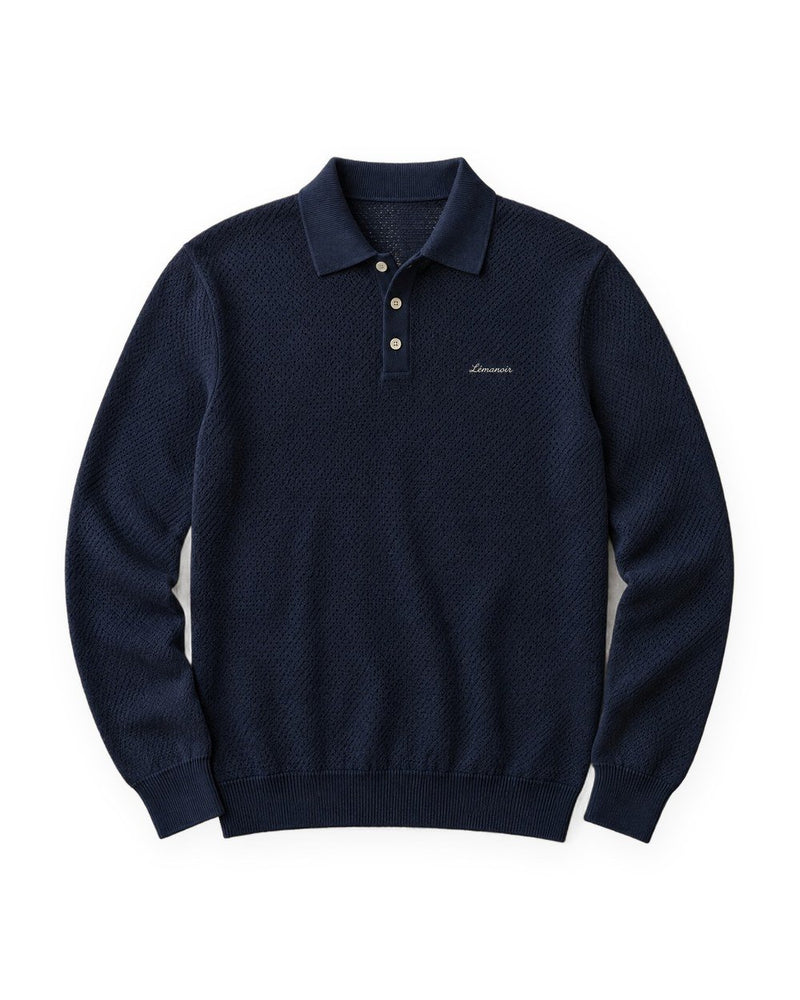
A crewneck in cream or navy, a knit polo, maybe one patterned sweater for the weekend. Texture matters more than pattern: a brushed mohair or a textured cotton knit reads as expensive without trying. See the long-sleeve knit polo and mohair crewneck.
3. Heavy, plain t-shirts
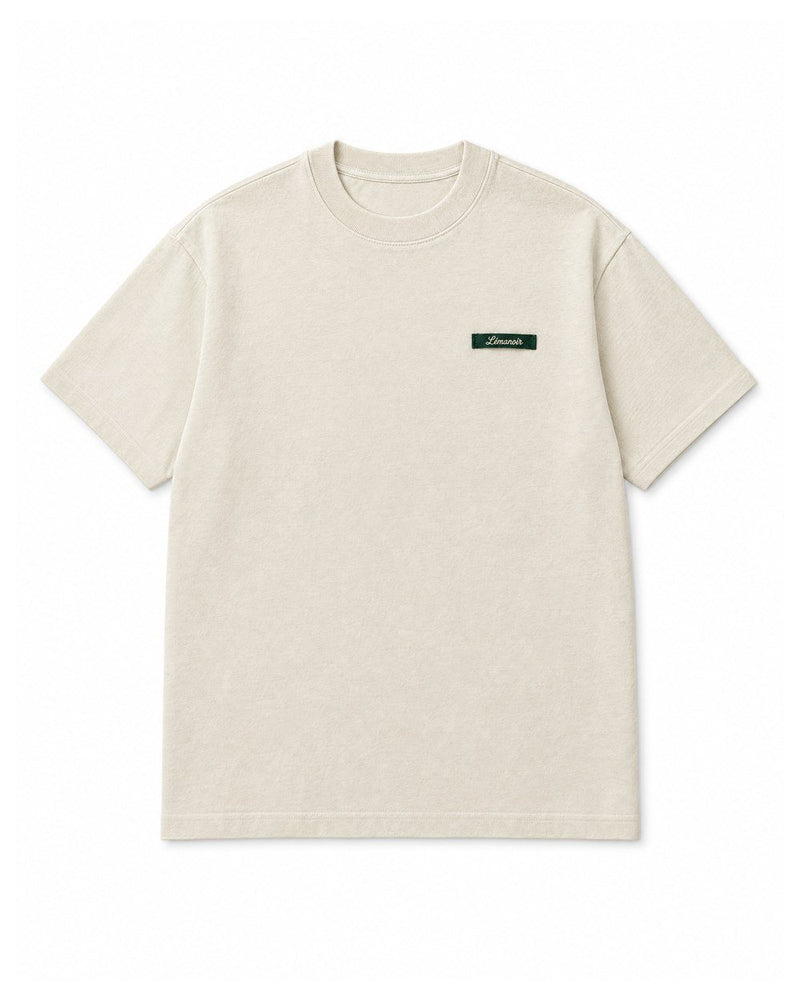
The base layer most people get wrong. A thin, clingy tee undoes everything above it. Go heavier (around 250 to 280 gsm) so it holds its shape under a knit or overshirt. Keep branding to a small mark at the chest, like our grosgrain tab tee.
4. Straight trousers
Wool or cotton chinos in grey, navy, cream or stone, straight leg, no rips, no skinny fit. Pleats are fine. The break should be small.
5. Loafers or suede shoes
Brown suede loafers, leather boat shoes in summer, clean leather sneakers if you must. Worn-in is better than brand new.
6. A few small accessories
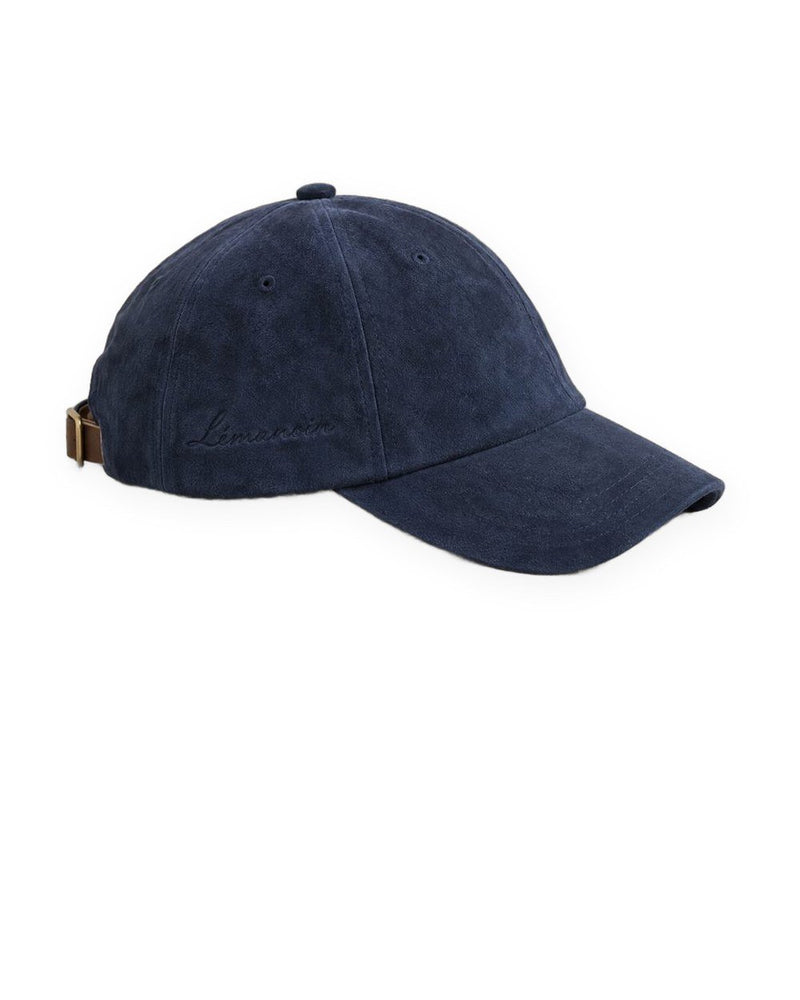
A cap with a leather strap, acetate sunglasses, a slim leather cardholder instead of a fat wallet. One of each is enough.
Three outfits to start with
- Weekday: cream crewneck, houndstooth overshirt, charcoal wool trousers, brown suede loafers.
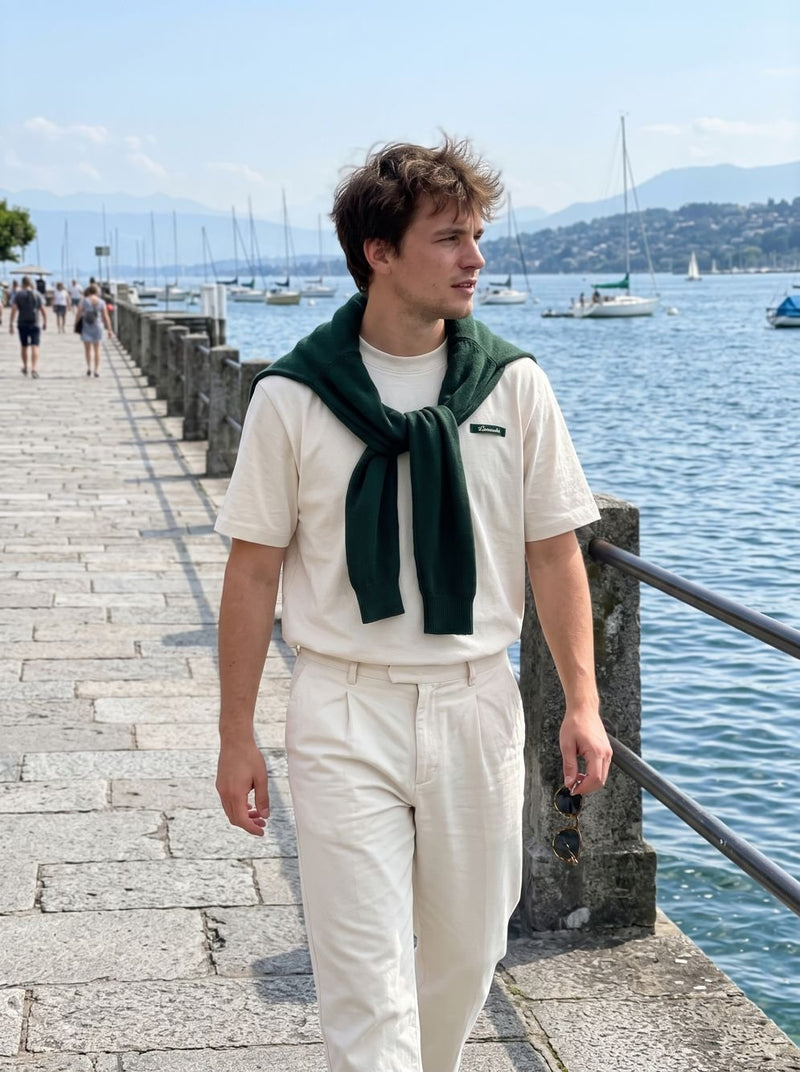
- Weekend by the water: heavy white tee, navy knit polo over the shoulders, stone chinos, boat shoes, round sunglasses.
- Cold weekend: alpine sweater, corduroy or down jacket, grey trousers, leather-strap cap.
What to avoid
- Big logos and anything that is obviously this season's trend.
- Shiny synthetic fabrics. Wool, cotton and leather age better and look better doing it.
- Head-to-toe matching. Old money outfits look assembled over time, not bought as a set.
- Trying too hard. If someone notices your outfit before they notice you, scale it back.
Buy fewer things, better
The real rule is the boring one: buy fewer pieces in better materials and wear them for years. That is the idea behind how we make Lémanoir. Every style is produced in a numbered run of ten and never remade, so you are buying something that will not be on everyone else next month.
Start with one overshirt and one good knit. Everything else builds around them.